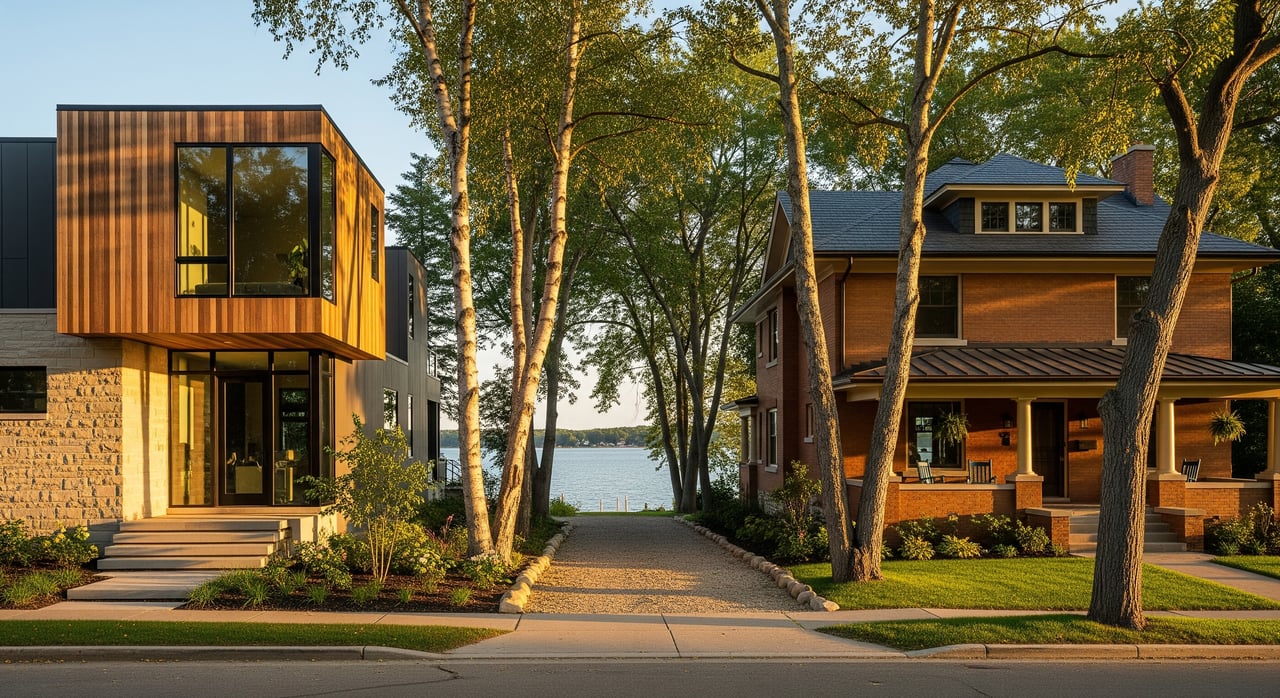
Trying to choose between a brand-new build and a resale home in Dayton? You’re not alone. The right answer depends on your timeline, budget, risk tolerance, and how much customization you want. In this guide, you’ll learn what changes in cost, financing, inspections, and long-term value when you compare new construction with resale in Dayton and Hennepin County. Let’s dive in.
Start with your priorities
Before you compare features, get clear on what matters most.
- If you need to move in the next 30 to 60 days, a resale is usually faster.
- If you want to personalize floor plans and finishes, new construction offers more control.
- If you value lower near-term maintenance, new systems in a new build can help.
- If you prefer mature trees and established streets, many resales will fit better.
Costs in Dayton: new vs resale
You’ll see differences between list price and total out-of-pocket cost.
- New construction often has a higher price per square foot, but it includes new systems and appliances. You may also pay for lot premiums, site work, grading, driveway, utility hookups, landscaping, and upgrade packages. Ask for a detailed itemization.
- Resale homes can have a lower purchase price, but you might budget for near-term repairs like a roof, HVAC, windows, or cosmetic updates.
- Closing costs can differ. New construction may include builder fees or costs tied to construction financing. Resale closings usually follow a standard purchase process.
- Property taxes can change. New construction triggers a new assessment once the home is complete, so taxes may rise after the structure is assessed. Check Hennepin County’s assessment and homestead practices for timing and impact.
Tip: Build a side-by-side budget that includes upgrades, landscaping, window coverings, appliances, and potential repairs so you can compare total cost, not just price.
Financing and appraisal differences
Your loan options and appraisal approach can look different for each path.
- Resale homes typically use conventional, FHA, VA, USDA, or jumbo loans with a straightforward appraisal based on recent comparable sales.
- New construction can involve construction-to-permanent loans, one-time close loans, or builder-arranged financing. These loans may have different down payment rules, interest rate behavior during construction, and draw schedules.
- Appraisals for new builds sometimes rely on sales within the same subdivision or price per square foot when few direct comps exist.
Talk with a local lender early, especially if you are deciding between new construction and resale. Understanding loan structure and rate options can save time and money.
Timeline and contingencies
Your timing needs will push the decision one way or the other.
- New builds usually take several months from permit to move-in, and weather, materials, or trade schedules can cause delays.
- Resale purchases often close in 30 to 60 days depending on financing.
- New construction contracts can limit or change standard inspection contingencies, outline allowances and change orders, and may restrict remedies for delays.
- Resale contracts usually include a home inspection contingency with the option to negotiate repairs or credits.
If your lease is ending or you are selling a current home, weigh the flexibility you need against the build schedule.
Inspections, quality, and warranties
Do not skip inspections, even for a new home.
- For new construction, schedule independent inspections at key stages, such as pre-drywall and final. Builder walk-throughs are not the same as third-party inspections.
- Builders often provide limited warranties that may cover finishes for 1 year, systems for 2 to 5 years, and major structural items for up to 10 years. Coverage varies, so get terms and claim steps in writing.
- For resales, thorough inspections can uncover foundation issues, moisture, electrical or plumbing problems. Consider specialized checks for radon, septic, or environmental concerns if applicable to the property.
Also review the builder’s reputation. Check licensing, complaint history, and recent projects before you sign.
Energy and maintenance
There are meaningful differences in long-term ownership.
- New construction must meet current Minnesota building and energy codes, which can improve efficiency and lower utility costs. New windows, insulation, HVAC, and appliances often reduce near-term repairs.
- Resale homes can compete on efficiency when major systems have been upgraded recently. Verify the age and warranty status of mechanicals and appliances.
- Mature landscaping in established neighborhoods can offer shade, privacy, and curb appeal that new subdivisions may need time to develop.
Factor utility costs and maintenance over the first five years, not just year one.
Lot, utilities, and infrastructure
Dayton includes areas with different utility setups and environmental considerations.
- Confirm if a specific lot connects to municipal water and sewer or relies on a well and septic system. Septic installation and maintenance affect both cost and resale.
- Ask about site grading, drainage, and stormwater controls. New subdivisions can have requirements that affect build cost and schedule.
- Review any wetland, shoreland, or floodplain constraints that could limit building or landscaping plans.
- Check planned road, sidewalk, or utility extensions that may influence access or future assessments.
These factors can shape both your build timeline and long-term satisfaction with the location.
HOA and covenants
Understand the rules that come with the neighborhood.
- New subdivisions often include an HOA with design standards, architectural controls, and monthly or annual dues. Review fees, reserve funding, and restrictions carefully.
- Resale homes in older areas may not have an HOA, or the HOA may be less restrictive. This can affect long-term costs and the level of control you have.
Ask for the full declaration, bylaws, rules, budgets, and reserves before committing.
Resale value and competition
Think about your exit strategy even as you buy.
- Features that tend to help resale include modern kitchens and baths, open layouts, main-floor bedrooms, energy-efficient systems, and updated mechanicals.
- When new builds in the same price range are abundant, resales compete by offering better condition, more finished space, or a sharper price.
- In Dayton, access to commute routes, everyday amenities, and school boundaries can influence long-term demand. Verify boundaries and local plans for changes that could affect appeal.
Plan improvements over time that add value without overspending for the neighborhood.
Buyer checklist: Dayton decisions
Use this quick checklist to compare options side by side.
- Priorities: Define your move-in timeline, must-have features, and tolerance for construction uncertainty.
- Budget: Include lot premiums, site work, landscaping, window coverings, appliances, and garage or driveway finishes. For resales, budget for likely near-term repairs or updates.
- Financing: Discuss construction-to-permanent and one-time close options versus a standard mortgage with a local lender.
- Inspections and warranties: Book pre-drywall and final inspections on new builds. Request builder warranty documents in writing.
- Builder due diligence: Review licensing and complaint history. Visit recently completed homes and request references.
- Location and lots: Confirm sewer or septic, setbacks, drainage, and future development plans. Ask about stormwater rules and any special assessments.
- HOA and covenants: Read the full declarations, rules, fee schedules, and reserve studies.
- Resale prospects: Check recent comparable sales, how many new homes are planned nearby, and school assignments.
Seller game plan: competing with new builds
If you are selling a resale home near new construction, position your property to stand out.
- Pricing: Compare your home to current new-build offerings and adjust for square footage, finishes, and included features.
- Updates with ROI: Consider a kitchen or bath refresh, neutral paint, curb appeal, and energy-efficient mechanicals to close the gap with new homes.
- Condition and disclosure: Address major issues or price accordingly. Provide receipts and warranties for recent work.
- Timing: Watch the release schedule of nearby subdivisions and aim to list when direct competition is lighter.
- Marketing: Highlight mature trees, yard size, privacy, established streets, and immediate move-in readiness.
Common scenarios and trade-offs
- Need to move soon: A well-maintained resale can get you in before the next season. You may budget for updates later.
- Want control and customization: A new build lets you choose finishes and floor plans. You accept a longer timeline and potential site costs.
- Value low maintenance: New systems reduce early repairs, but plan for premiums in price and upgrades.
- Love established neighborhoods: A resale may offer mature landscaping and a settled streetscape. Budget for improvements to match modern preferences.
Next steps
If you’re deciding between new construction and resale in Dayton, a clear plan and the right guidance make all the difference. Map your timeline, confirm your financing, and build a true total-cost comparison for both paths. When you are ready to tour options or review contracts, reach out to a local expert who will put your goals first.
If you want a thoughtful, step-by-step plan tailored to your family, connect with Paulette Carroll for a friendly consultation.
FAQs
What costs differ most in Dayton when comparing new builds and resale?
- New builds can add lot premiums, site work, utility hookups, landscaping, and upgrade packages, while resales may require near-term repairs or updates.
How do construction loans in Minnesota compare to standard mortgages?
- Construction-to-permanent and one-time close loans have different down payment, rate, and draw rules, while standard mortgages follow a typical closing and repayment schedule.
Do I still need inspections on a new construction home?
- Yes. Independent pre-drywall and final inspections help catch issues early, and builder walk-throughs are not a substitute.
How will property taxes change after I build in Hennepin County?
- New construction is reassessed once complete, so taxes reflect the finished value; timing and homestead status can affect your tax bill.
What warranties are typical with new construction?
- Many builders offer limited warranties such as 1 year for workmanship, 2 to 5 years for systems, and up to 10 years for structural coverage, but terms vary.
How long does a new home usually take to build in Dayton?
- Timelines vary, but it commonly takes several months from permit to move-in, with weather, materials, and trade schedules influencing completion.
Are HOAs common in new Dayton subdivisions?
- Many new developments include HOAs with design standards and dues; review fees, reserves, and restrictions before committing.