Dreaming of a backyard for soccer, a sunny garden, or evenings by the river? If Champlin is on your list, you’ll find plenty of single-family homes and a wide range of yard sizes that fit family life. In this guide, you’ll learn what home styles are common here, how lot sizes vary by era, and where to look for the kind of outdoor space you want. Let’s dive in.
Champlin housing at a glance
Champlin is largely a single-family suburb with room to spread out. According to the City’s housing plan, about 6,597 of 8,641 total units are single-family detached, roughly 77 percent of the housing mix. You can review the citywide housing makeup in the City of Champlin’s Section 3: Housing report for full context and era counts. Over 70 percent of homes were built after 1980, which explains why you see many two-story plans and modern systems across the city. See the City’s housing snapshot and year-built data.
What this means for you: expect a strong supply of owner-occupied, single-family options with predictable suburban yards, plus older pockets and riverfront areas with unique lot conditions.
Common home styles by era
Pre-1950 homes
You will find a small number of older cottages and bungalows near historic pockets and closer to the river. Lots can be irregular, with mature trees and varied setbacks. Expect unique yard shapes and the need to verify plats and easements during due diligence.
1950s–1970s: ramblers and split-levels
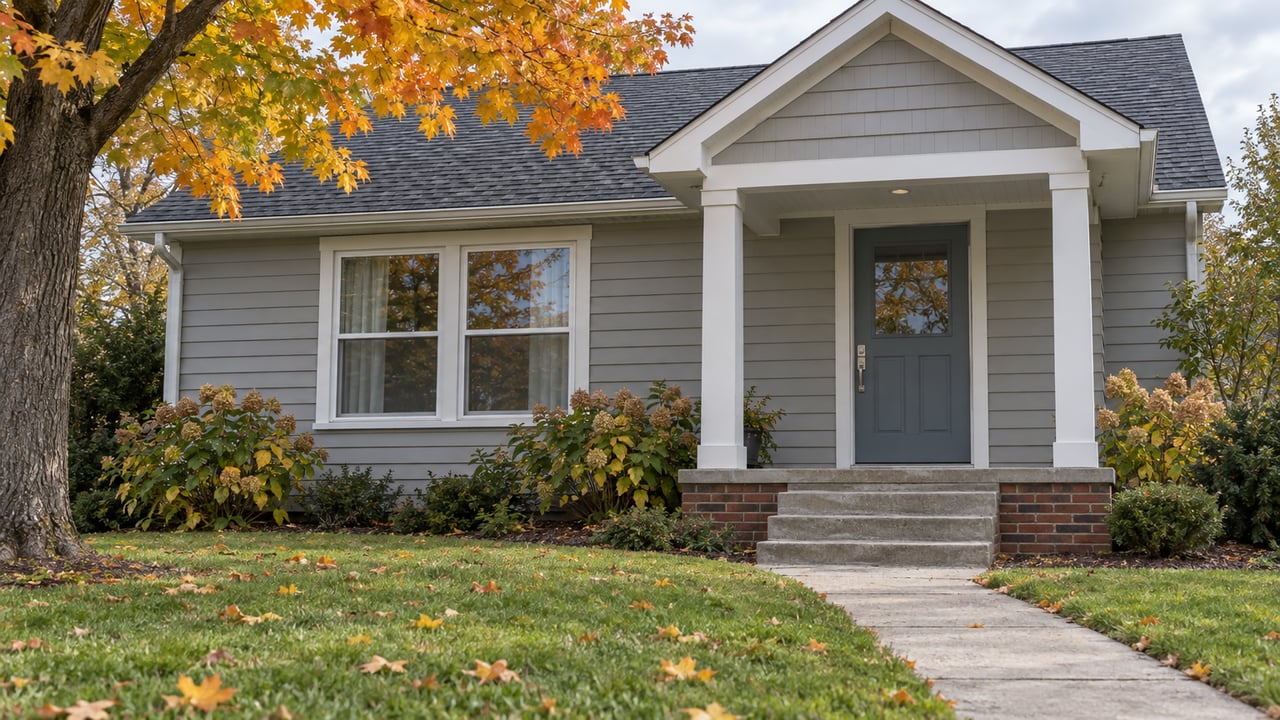
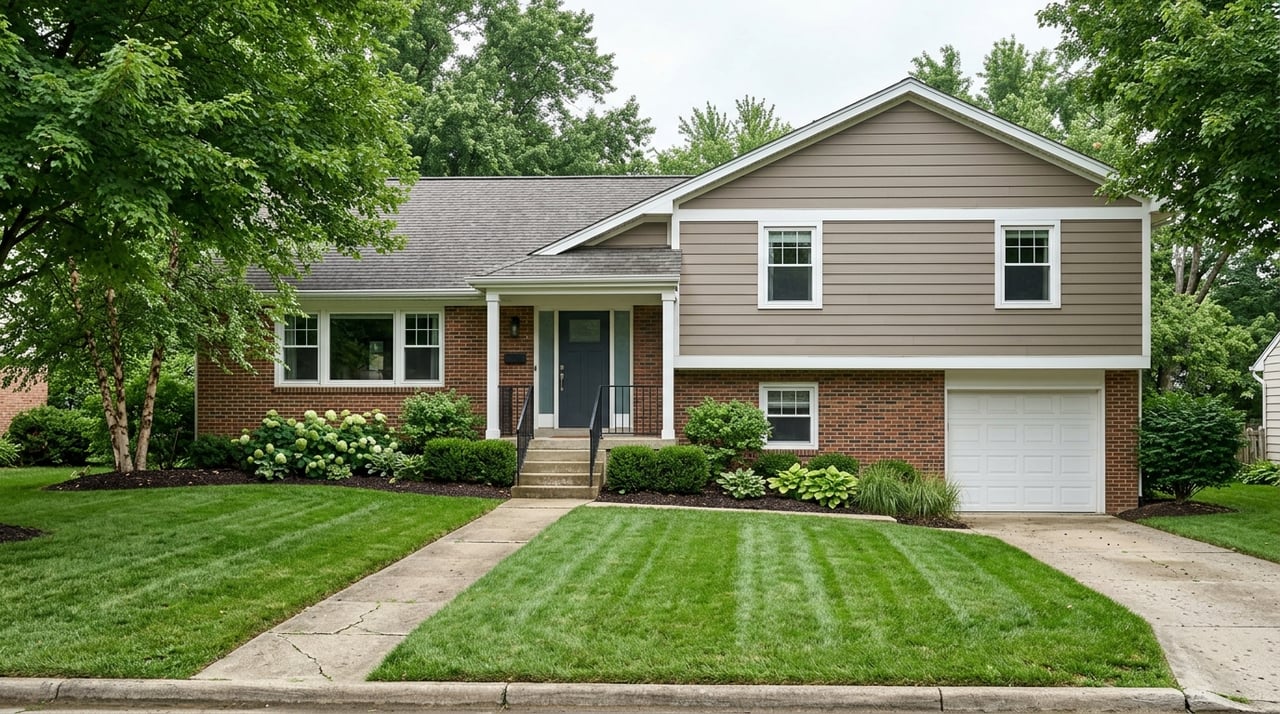
Postwar decades brought one-level ramblers and split-level or bi-level homes to many Twin Cities suburbs. In Champlin, the city’s year-built data shows activity in the 1960s and 1970s. These homes often sit on modest to medium lots with level backyards that are easy for play and gardening. For style background, see quick overviews of the ranch or rambler form and the split-level layout.
Yard takeaway: single-story plans offer easy yard access. Where lots slope, a split-entry or raised-ranch can create a walk-out lower level that connects right to the backyard.
1980s–1990s: two-story growth years
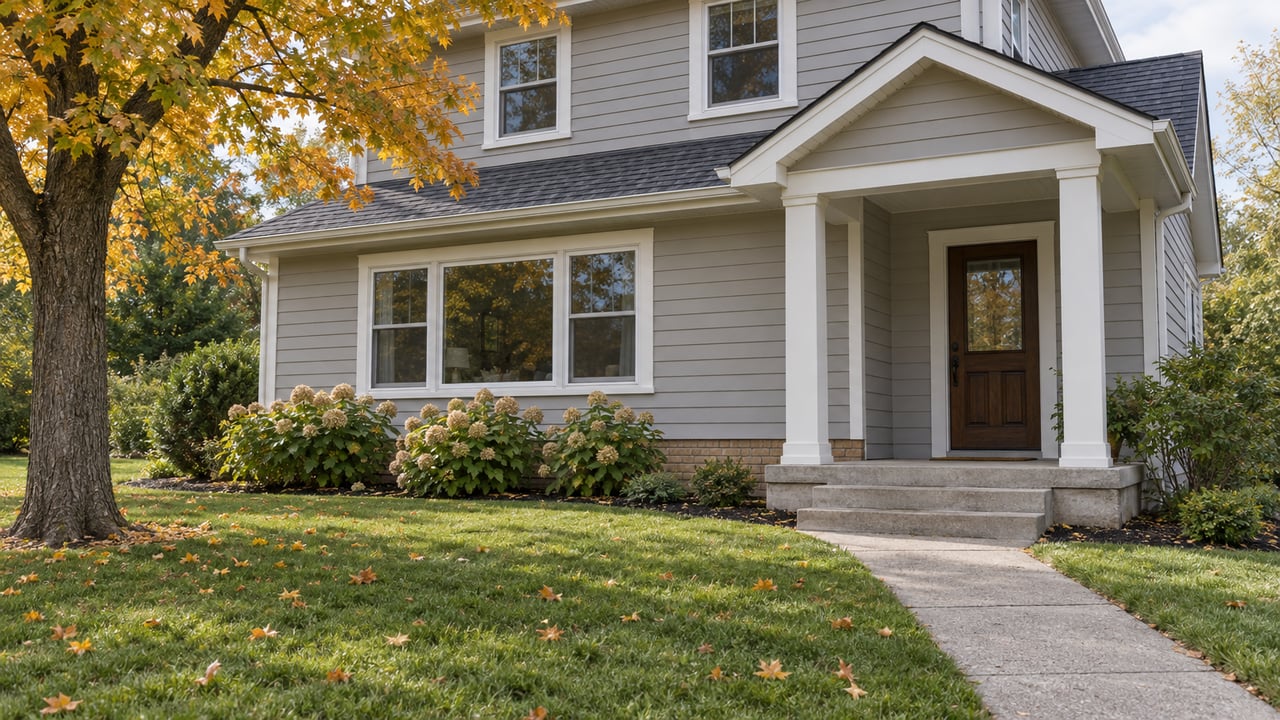
This era accounts for a large share of Champlin’s homes. Designs leaned toward larger two-story plans, attached garages, and open interiors. Subdivisions from this period typically feature curving streets and sidewalks with medium-size private yards suitable for play sets, a patio, and a garden. You often get more interior space while maintaining a comfortable backyard.
2000 to present: newer PUDs and infill
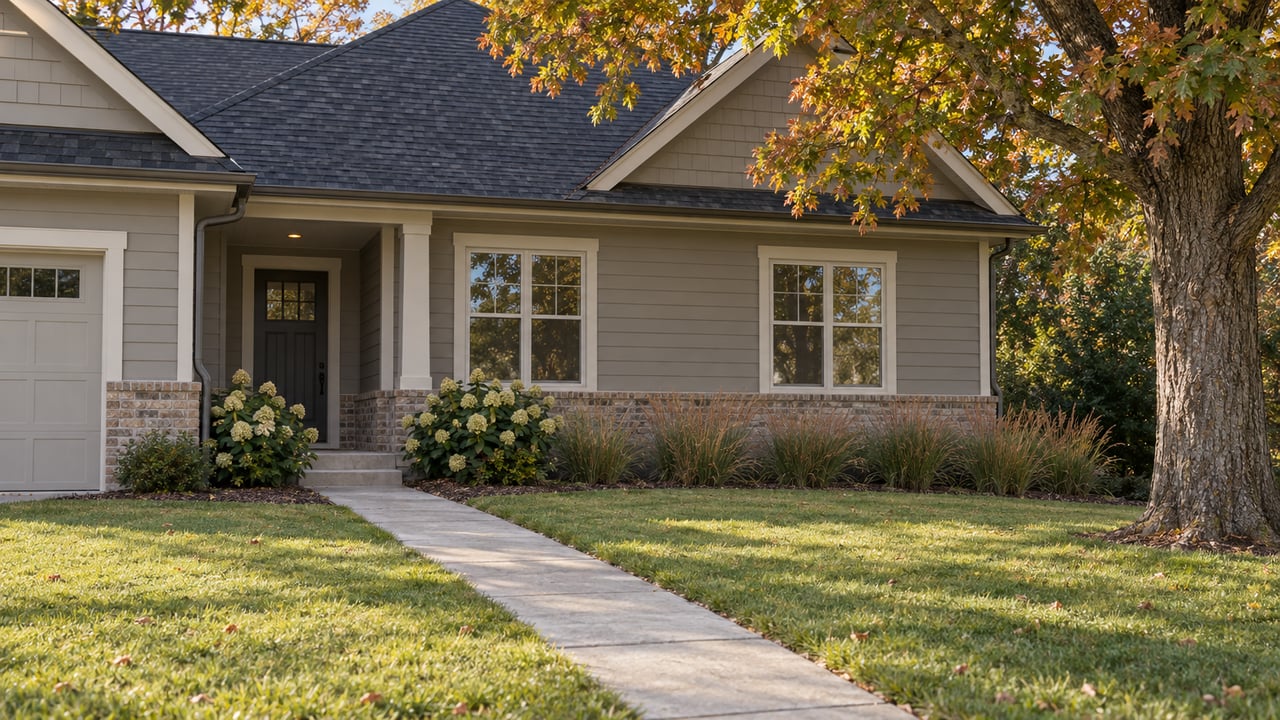
More recent neighborhoods and Planned Unit Developments (PUDs) define lot sizes and setbacks up front. A representative example is a PUD standard with a minimum lot area of 9,000 square feet and lot widths in the high 60s to 70s feet. These areas deliver consistent yard sizes and commonly pair private yards with nearby parks and trails. Review the City’s Section 2: Land Use for how PUDs and newer subdivisions are guided. Explore Champlin’s land use and PUD guidance.
How big are yards in Champlin?
The City’s land use plan classifies most of Champlin as Low-Density Residential. Permitted densities in these areas generally range from about 2.0 to 3.5 units per acre, with an overall average near 2.5 units per acre. See the City’s Section 2: Land Use for density guidance.
Here is what that means in simple terms. One acre is 43,560 square feet, so:
- At 2.0 units per acre, the planning-scale lot area is about 21,780 square feet.
- At 3.5 units per acre, it is about 12,430 square feet.
- At the 2.5 unit per acre average, it is about 17,424 square feet.
These are approximations because the City’s densities are measured over gross acres that include streets. In practice, many Champlin blocks function like quarter-acre to nearly half-acre living environments. Newer PUD lots often start around 9,000 square feet, which still supports a play space, patio, and garden without excessive upkeep.
Riverfront yards and the MRCCA overlay
If you are drawn to the Mississippi, know that river-adjacent parcels fall under the Mississippi River Corridor Critical Area (MRCCA) rules. The overlay sets standards for setbacks, vegetation management, and buildable area, and some districts require wider lot widths. These rules can affect where you place structures and how much of the backyard becomes usable private space. Review Champlin’s MRCCA guidance and permit information.
Champlin’s Mississippi Crossings area showcases ongoing public waterfront investment with apartments, a pavilion, docks, and events. It offers strong public amenities and easy water access while changing how private vs. public spaces meet along the shoreline. If a big private river lawn is your goal, verify the parcel’s MRCCA district, buildable area, and any public easements. Learn about the history and scope of Mississippi Crossings.
Where to look based on your yard goals
Room to play
Target older low-density neighborhoods and the Northwest Planning Area, including the Reserve at Elm Creek vicinity. These areas are guided for low-density development and often feature larger yards with level rear lots. Start with listings that show 9,000 square feet or more and confirm actual parcel size.
Space for a garden
Look for sunny, level rear yards. Rambler and many 1970s–1990s lots often fit raised beds and small fruit trees. Check the plat for easements, and if you are near the river, confirm vegetation and setback rules before removing trees or reshaping the yard. The City’s housing and land use sections are helpful references for era and lot patterns. Check Section 3: Housing and Section 2: Land Use.
Hosting without heavy yard work
Newer PUDs and townhome or condo options can be a good fit if you value community space and nearby parks over maintenance. Mississippi Crossings offers public riverfront amenities and gathering spots that complement a smaller private yard. See the Mississippi Crossings overview.
Newer builds with larger lots
Large-lot new construction is less common and usually comes with defined covenants and engineered grading. Expect clear setback rules, potential retaining walls, and documented stormwater plans. The City’s land use and PUD materials outline expectations for these neighborhoods. Explore Section 2: Land Use.
Buyer checklist for touring yards in Champlin
- Confirm the exact lot area and legal description. Compare the listing to Hennepin County parcel records.
- Walk the topography. Flat rear yards are best for play and gardens. Sloped lots can be perfect for a walk-out lower level and patio.
- Check MRCCA and floodplain status if near the river. Ask for the MRCCA map and any permits on file. Start with the City’s MRCCA page.
- Verify utilities. Confirm municipal sewer service and any trunk or connection fees in planned growth areas. See the City’s sanitary sewer section.
- Review PUD and HOA documents early. Newer subdivisions often have rules on fencing, sheds, lot coverage, and setbacks. Reference Section 2: Land Use for PUD context.
- Study sun exposure. South or west-facing backyards usually deliver more gardening success.
- Plan for parking and hosting. Check driveway capacity and local on-street parking rules for gatherings.
Neighborhood signals and areas to watch
- Northwest Planning Area and Reserve at Elm Creek vicinity. Guided for low-density homes and larger lot options in City planning documents.
- French Lake Road corridor and parcels west of Revere Lane. City utility maps note significant single-family acreage here.
- Mississippi Crossings. Strong public riverfront amenities and mixed-use energy that pairs well with smaller private yards.
- Older subdivisions like Autumn Creek, Huntington Ridge, Indian Trails, Northwoods, Orchard Trail, and Crescent Knoll. These names often surface in local listings and can hint at era and lot patterns. Always verify actual lot size and covenants.
Ready to find your fit?
Whether you want a quarter-acre play yard, a tidy 9,000-square-foot lot near parks, or river living with public amenities, Champlin gives you real choices. Our team knows how to match yard goals with neighborhood, era, and PUD rules so you can buy with confidence. If you are weighing trade-offs between house size, yard space, and location, we are here to guide you with patience and care. Connect with Paulette Carroll to plan your next move.
FAQs
What home styles are most common in Champlin, MN?
- Single-family detached homes dominate at about 77 percent of all housing, with many built after 1980 that feature two-story plans, plus 1950s–1970s ramblers and split-levels in older pockets. Review the City’s housing data.
How big are typical Champlin lots for single-family homes?
- Low-density guidance ranges from about 2.0 to 3.5 units per acre, which implies planning-scale lots near 12,430 to 21,780 square feet, with newer PUD lots often at a 9,000-square-foot minimum. See Section 2: Land Use.
What should I know about riverfront yards in Champlin?
- River-adjacent lots fall under MRCCA rules that set setbacks, vegetation standards, and buildable area requirements, which can limit where you place structures or remove trees. Start with the City’s MRCCA page.
Where can I find larger private yards in Champlin?
- Focus on older low-density areas and the Northwest Planning Area, including Reserve at Elm Creek vicinity, where planning documents support larger-lot development. Explore Section 2: Land Use.
Are rambler or split-level homes good for yard access?
- Yes. Ramblers offer easy, single-level access to the backyard, and split-levels often create a convenient walk-out lower level on sloped lots. For quick style context, see ranch or rambler and split-level overviews.