Thinking about selling your Coon Rapids starter home so you can move into something bigger? You are not alone. In a city with a strong homeowner base and a market where well-priced homes can sell in about a month, many owners are realizing they may have enough equity to make a move. The key is making smart decisions before you list so your sale supports your next purchase instead of complicating it. Let’s dive in.
Why move-up sellers are active in Coon Rapids
Coon Rapids is a well-established suburban market about 12 miles north of Minneapolis. The city’s 2024 population estimate was 63,807, with a 74.2% owner-occupied housing rate and a median household income of $88,251. That matters because it points to a large group of homeowners who may be in a position to sell a first home and move into a larger one.
Recent local numbers also support that idea. Redfin reported a March 2026 median sale price of $335,424 and median days on market of 28 days. Realtor.com’s April 2026 snapshot showed a median listing price of $339,000, a median sold price of $350,000, 130 homes for sale, and a median of 24 days on market, with homes selling at about 101% of list price on average.
Those figures do not mean every home will sell instantly or for top dollar. They do suggest that buyers are active and that a starter home in solid condition can attract attention quickly when it is priced well. For move-up sellers, that creates opportunity, but it also makes planning more important.
Know your real equity first
If you are moving up, your next decision should not be based only on what your current home might sell for on paper. What really matters is your net proceeds after your mortgage payoff, closing costs, and any pre-listing prep. That number tells you how much you can actually carry into the next purchase.
This is especially important in today’s market. Minnesota Realtors reported a statewide median sales price of $350,000 and a Twin Cities metro median of $380,000 in March 2026. Since recent Coon Rapids pricing has been in the mid-$300,000s, many move-up buyers are stepping into a higher price bracket even if they stay nearby.
That price gap can affect more than your down payment. It can also change your monthly payment, cash reserves, and comfort level. Before you list, it helps to answer three basic questions:
- How much equity will you likely net after sale expenses?
- What monthly payment feels comfortable for your next home?
- How much flexibility do you have if the sale and purchase do not line up perfectly?
Price your starter home for results
One of the biggest mistakes move-up sellers make is overpricing the current home because they want to maximize every dollar. That can backfire. In a market where homes are already selling close to asking price, pricing too high can lead to extra days on market and weaker negotiating leverage.
A better approach is to anchor your list price to recent closed sales in Coon Rapids. Online estimates can be useful as a starting point, but they are not a pricing strategy. The strongest pricing decisions come from local comparable sales, current competition, and the condition of your home.
This matters because timing affects your next move. If your starter home sits longer than expected, you may lose options on the purchase side. A smart pricing strategy helps protect momentum and keeps your move-up plan on track.
Why realistic pricing matters more now
Minnesota Realtors reported that inventory was rising in spring 2026, but still remained below balanced-market levels. In plain terms, the market still leaned toward sellers, but it was not uniformly frantic. That means you can be optimistic, but you still need to be realistic.
Buyers notice condition, presentation, and value. If your home is priced in line with the market and shows well, you put yourself in a stronger position. If it feels overpriced, buyers may hesitate, and that hesitation can cost you more than a well-calculated list price ever would.
Focus on prep that buyers can see
You do not need to turn your starter home into a major renovation project before listing. In most cases, simple visible improvements offer the best return in both buyer interest and showing experience. The goal is to help your home feel clean, cared for, and easy to picture living in.
Start with the basics:
- Deep cleaning
- Decluttering
- Paint touch-ups
- Light repairs
- Fresh lighting where needed
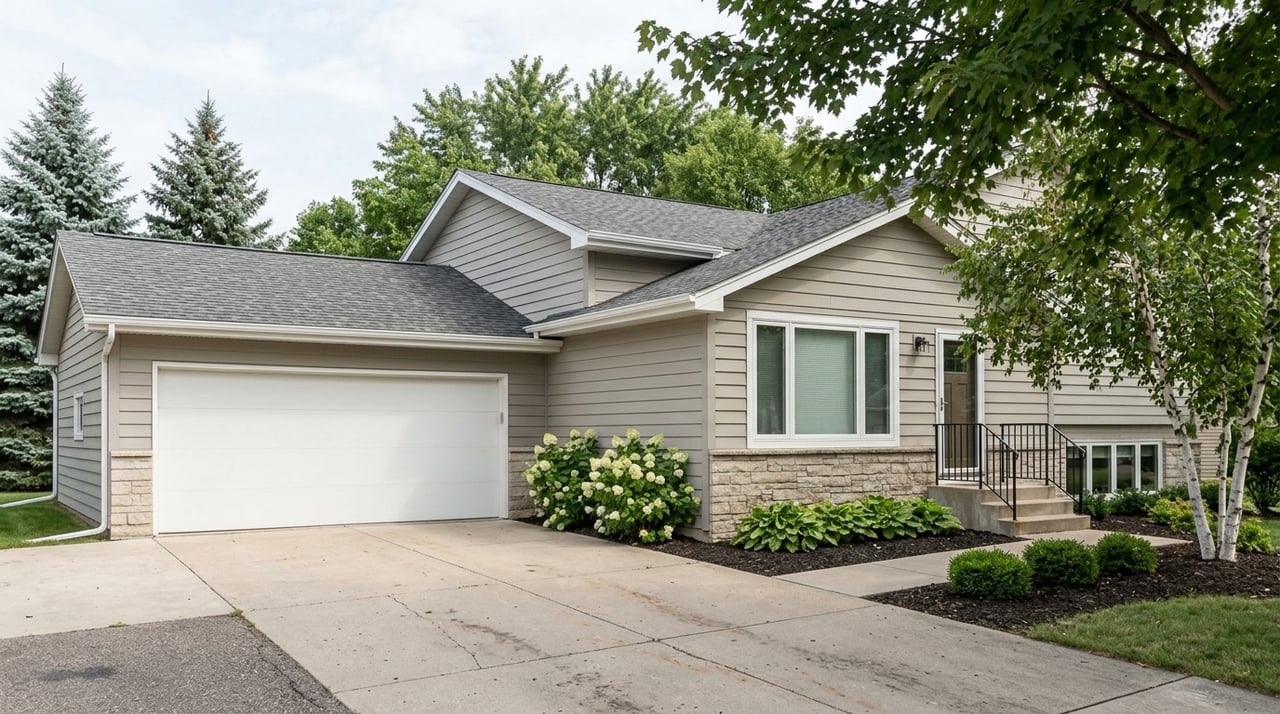
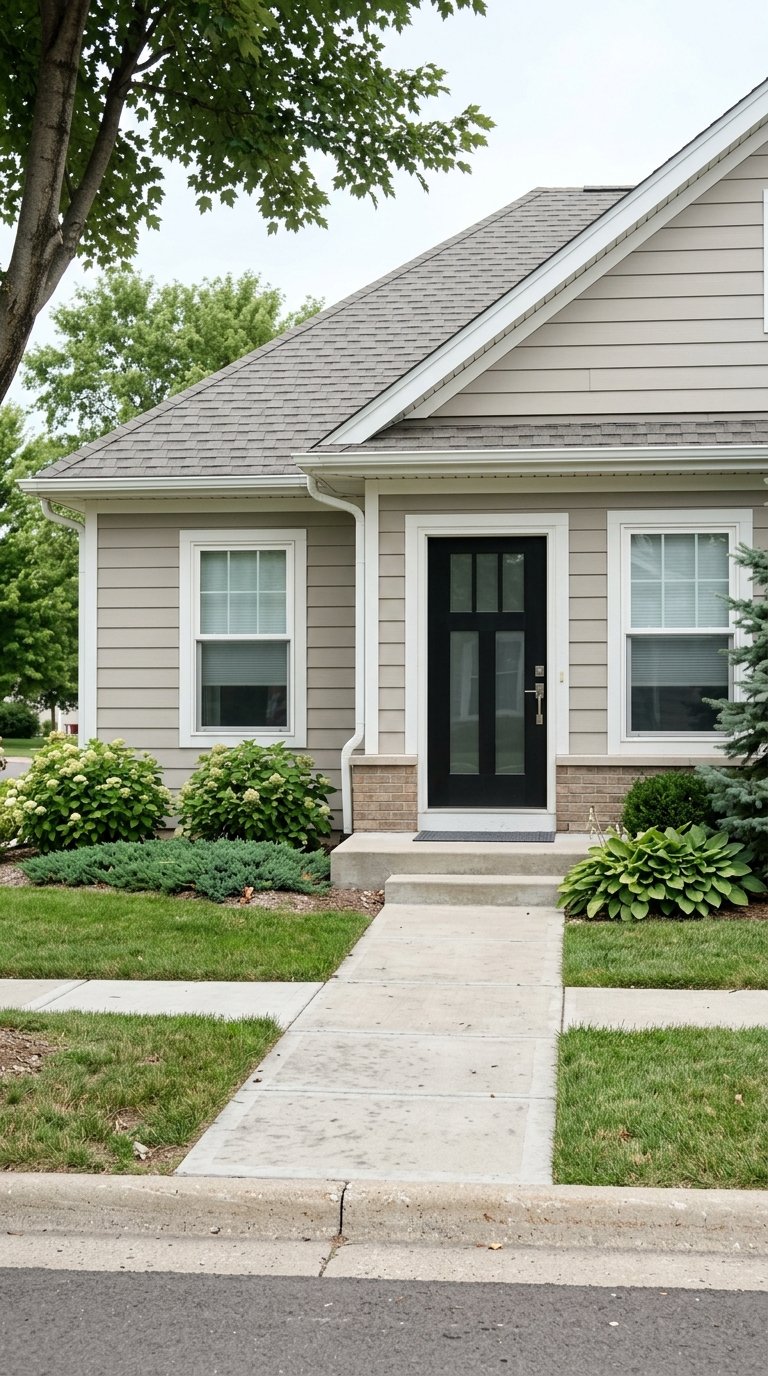
- Tidy landscaping and curb appeal
These updates help your home photograph better and show more smoothly in person. They also reduce distractions so buyers focus on the space itself rather than a running list of small issues.
What if your home feels dated?
A dated home is not the same as a problem home. If your home is in good shape but looks a little older in style, focus on cleanliness, neutral presentation, and fixing obvious maintenance items. In many cases, that is enough to keep buyers engaged without overspending before your move.
If you are unsure what to do, it helps to think in terms of visibility. Cosmetic flaws that jump out in photos or during a showing deserve attention first. Projects hidden behind walls or expensive upgrades with uncertain payoff often do not need to happen before listing.
Understand Minnesota disclosure rules
Before signing a purchase agreement, Minnesota sellers generally must make a written disclosure of all known material facts that could adversely and significantly affect an ordinary buyer’s use and enjoyment of the property, or any intended use the seller knows about. If you later learn that something in the disclosure was inaccurate, you must notify the buyer in writing as soon as reasonably possible and before closing.
That makes honesty and preparation essential. A move-up sale can feel busy because you are thinking about two homes at once, but disclosure should never become an afterthought. Organizing what you know early can make the sale smoother and help reduce surprises later.
Radon matters in Minnesota sales
Radon deserves special attention. The Minnesota Department of Health says radon is common in the state, that more than two in five Minnesota homes have elevated levels that pose significant health risk, and that every home should be tested.
Testing and mitigation are not required during a sale, but they are highly recommended, and buyers and sellers can negotiate them. Sellers must disclose known radon information and provide the required warning statement. If an unbiased third-party test is desired, the Minnesota Department of Health recommends using a licensed radon professional.
Older homes may need lead disclosure
If your home was built before 1978, lead-based paint disclosure rules may apply before sale. Older homes are more likely to contain lead-based paint, which makes the age of the home an important checklist item during pre-listing prep.
Plan the sale and purchase together
A move-up transaction works best when you plan both sides at the same time. In Coon Rapids, where homes may move in roughly three to four weeks, waiting to figure out your next step until after you list can create unnecessary stress.
Most move-up sellers choose from a few common paths:
- Sell first, then rent briefly
- Buy first with a contingency
- Negotiate a short post-closing occupancy period
- Use bridge financing if your lender and budget allow
None of these options is perfect for everyone. The right choice depends on your finances, tolerance for temporary disruption, and how competitive your target purchase will be.
Decide your sequence early
The most helpful decisions usually happen before your home hits the market. Try to settle these three items early:
- Your target monthly payment for the next home
- Your preferred closing sequence
- Your tolerance for a short-term backup plan, like temporary housing or flexible possession timing
When you make those decisions up front, it becomes easier to evaluate offers on your current home. A strong offer is not just about price. It is also about timing, terms, and how well it supports your next move.
Be careful with new construction timing
If your move-up plan includes new construction, build in extra caution. Minnesota Realtors noted that buyers waiting on new construction can face labor-related delays. That means a strategy that looks simple at first can become much more complicated if your current home sells before the new one is ready.
In that situation, flexibility matters. Some sellers prefer to delay listing. Others prepare for a temporary housing plan. The best answer depends on your budget and timeline, but the key is to think through it before you commit.
What a smart move-up strategy looks like
A strong move-up sale in Coon Rapids is usually not about chasing the very highest possible list price. It is about balancing price, prep, timing, and your next-home budget in a way that protects your bigger goal.
That means looking at your home as part of a larger plan. You want solid pricing based on local sales, thoughtful preparation, clear disclosures, and a realistic sequence for your sale and purchase. When those pieces work together, your starter home becomes a stepping stone instead of a stumbling block.
If you are thinking about your next move in Coon Rapids or the north and northwest Twin Cities suburbs, Paulette Carroll can help you build a plan that fits your goals, your timeline, and your comfort level.
FAQs
How do I estimate equity when selling a Coon Rapids starter home?
- Start with a realistic likely sale price based on recent Coon Rapids closed sales, then subtract your mortgage payoff, estimated closing costs, and any pre-listing expenses to understand your probable net proceeds.
Which repairs matter most before listing a Coon Rapids home?
- Visible, practical items usually matter most, including deep cleaning, decluttering, paint touch-ups, light repairs, and curb appeal improvements that help the home show well and photograph clearly.
What disclosures are required when selling a home in Minnesota?
- Minnesota sellers generally must provide a written disclosure of known material facts that could adversely and significantly affect a buyer’s use and enjoyment of the property, and they must update that disclosure in writing if new information comes up before closing.
What should Coon Rapids sellers know about radon disclosure?
- Radon is common in Minnesota, sellers must disclose known radon information and provide the required warning statement, and testing or mitigation can be negotiated even though they are not required for the sale.
Should I sell first or buy first when moving up from a starter home?
- It depends on your budget, lender options, and flexibility, but common approaches include selling first, buying with a contingency, negotiating post-closing occupancy, or using bridge financing if it fits your situation.
How much price jump should I expect when moving from a starter home to a larger home nearby?
- Recent data suggest many Coon Rapids sellers moving up may enter a higher price tier, since local sale prices have been in the mid-$300,000s while the broader Twin Cities metro median was reported at $380,000 in March 2026.