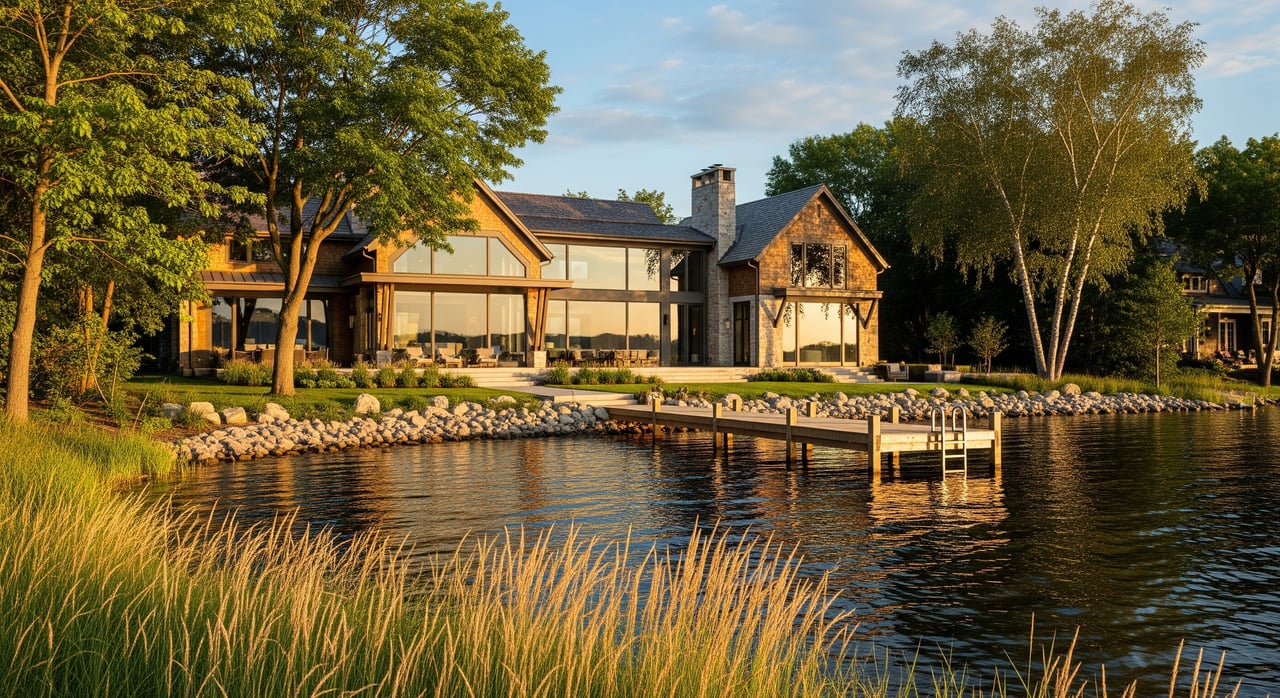
What does day-to-day life look like in a suburb with room to breathe, lakes to explore, and quick access to Minneapolis? If you’re weighing a move, you want a clear picture of commute options, housing styles, parks, and local conveniences. This guide gives you a practical feel for Plymouth so you can decide with confidence. Let’s dive in.
Where Plymouth fits in the Twin Cities
Plymouth sits northwest of downtown Minneapolis in Hennepin County and is part of the Twin Cities metro. With roughly 80,000 residents, it’s one of the larger suburbs in the region.
You’ll find a suburban feel with established neighborhoods, mature trees, and an emphasis on parks and trails. Many residents commute to nearby job centers, while others work locally in professional services, health care, retail, and light industry.
Plymouth appeals to people who want suburban privacy plus convenient access to Minneapolis-area employers and amenities. The city’s planning has protected open space and lake access while supporting retail and services across town.
Commutes and getting around
Drive times and routes
U.S. Highway 169 is a key north–south route that links Plymouth to downtown Minneapolis and northern suburbs. Interstate 494 serves east–west travel and connects to Minneapolis–Saint Paul International Airport.
Without heavy traffic, many residents report a 15 to 30 minute drive to downtown Minneapolis, depending on location. Typical drives to the airport range from about 20 to 35 minutes. Times vary with rush hour, construction, and winter weather.
Transit options
Express and commuter buses operate between Plymouth and downtown Minneapolis, often using park-and-ride locations. Service is less frequent than inner-city transit, so most commuters rely on cars.
If transit access matters to you, look for neighborhoods near major corridors and park-and-ride sites. Route choice can make a meaningful difference in peak-hour travel.
Parks, lakes, and trails
Lake life close to home
Plymouth includes and borders several lakes that shape local life. Medicine Lake is a well-known option for boating and fishing, and you’ll find other lakes and ponds tucked near neighborhoods.
Public access points, wake limits, and fishing rules vary by lake and are set by state and local agencies. Many residents plan summer around paddling, fishing, and time at the water’s edge.
Parks and recreation
The city maintains a strong system of neighborhood and community parks with playgrounds, fields, and multi-use trails. Regional parks and preserves in the broader area add even more green space through the Three Rivers Park District.
Trails support walking, jogging, biking, and winter activities. Seasonal recreation programs and classes for youth and adults contribute to the community’s family-friendly appeal.
Housing in Plymouth
Home styles and lots
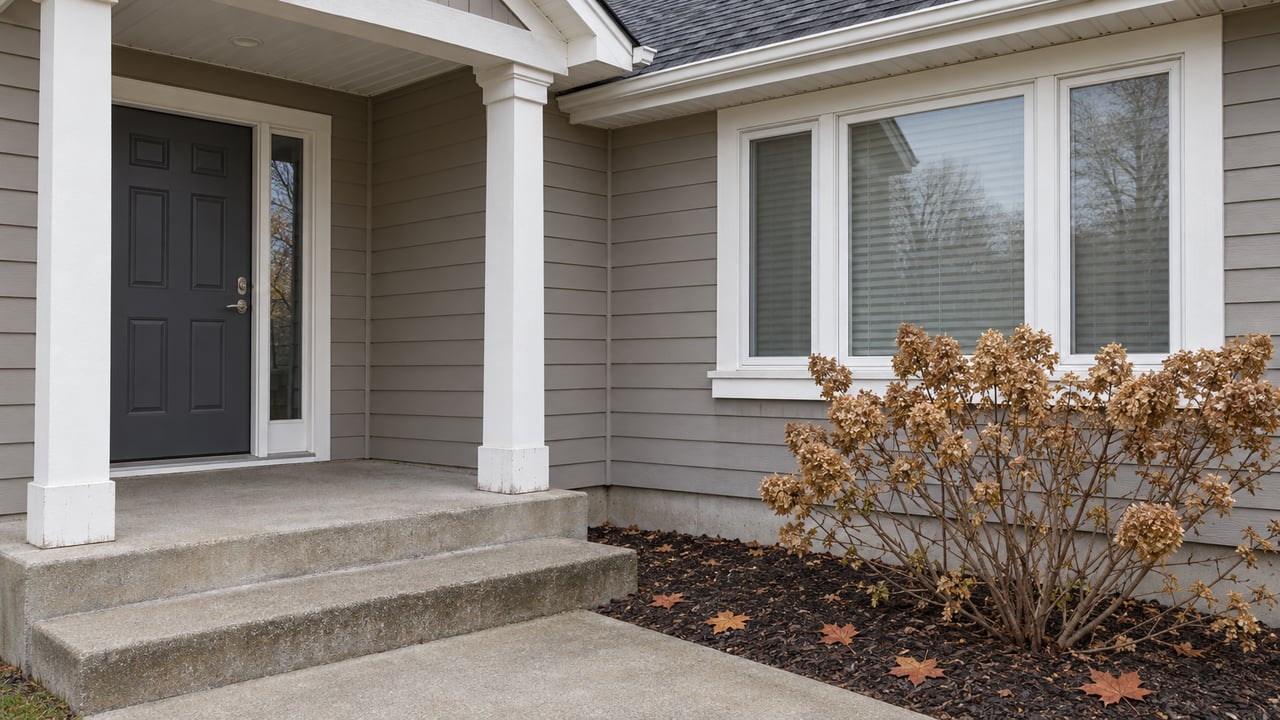
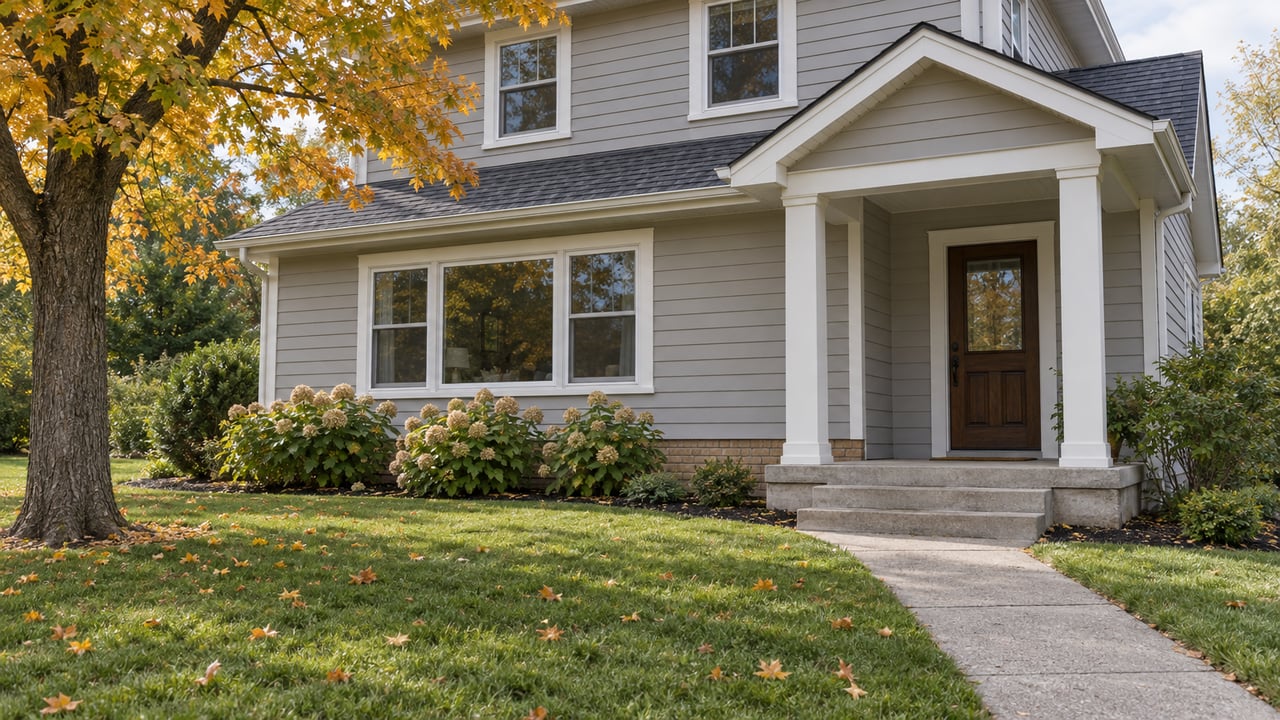
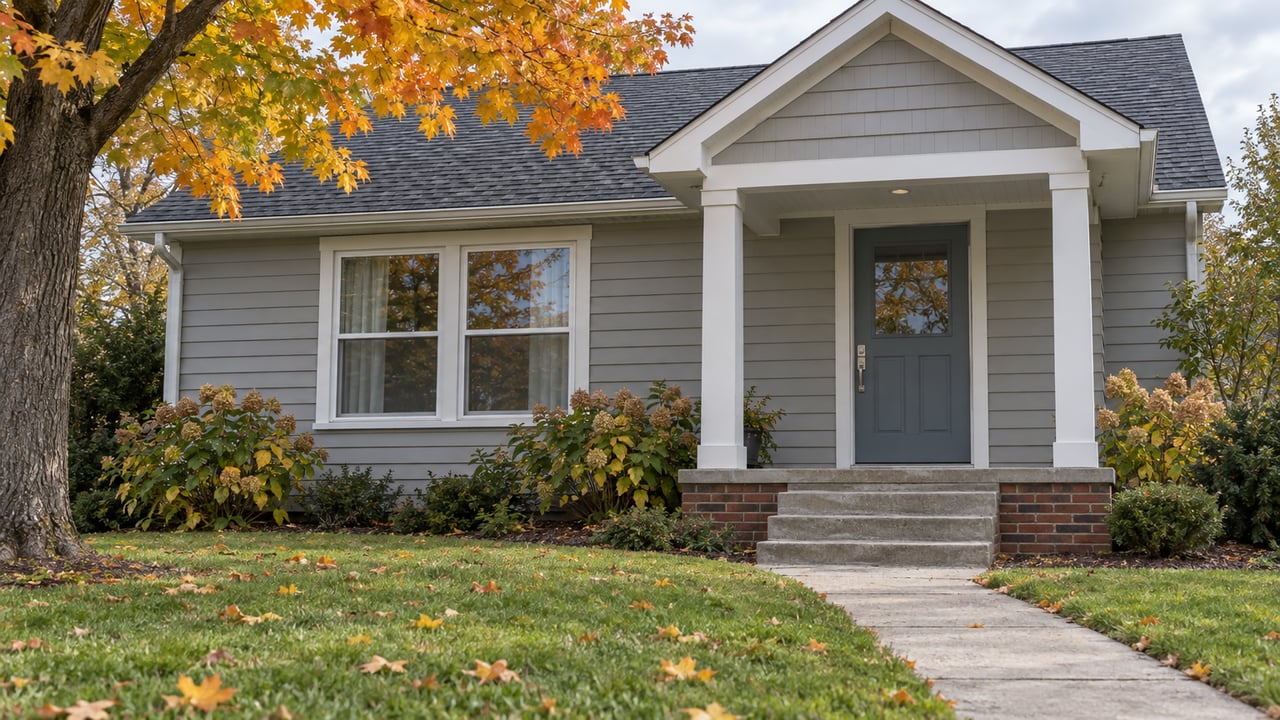
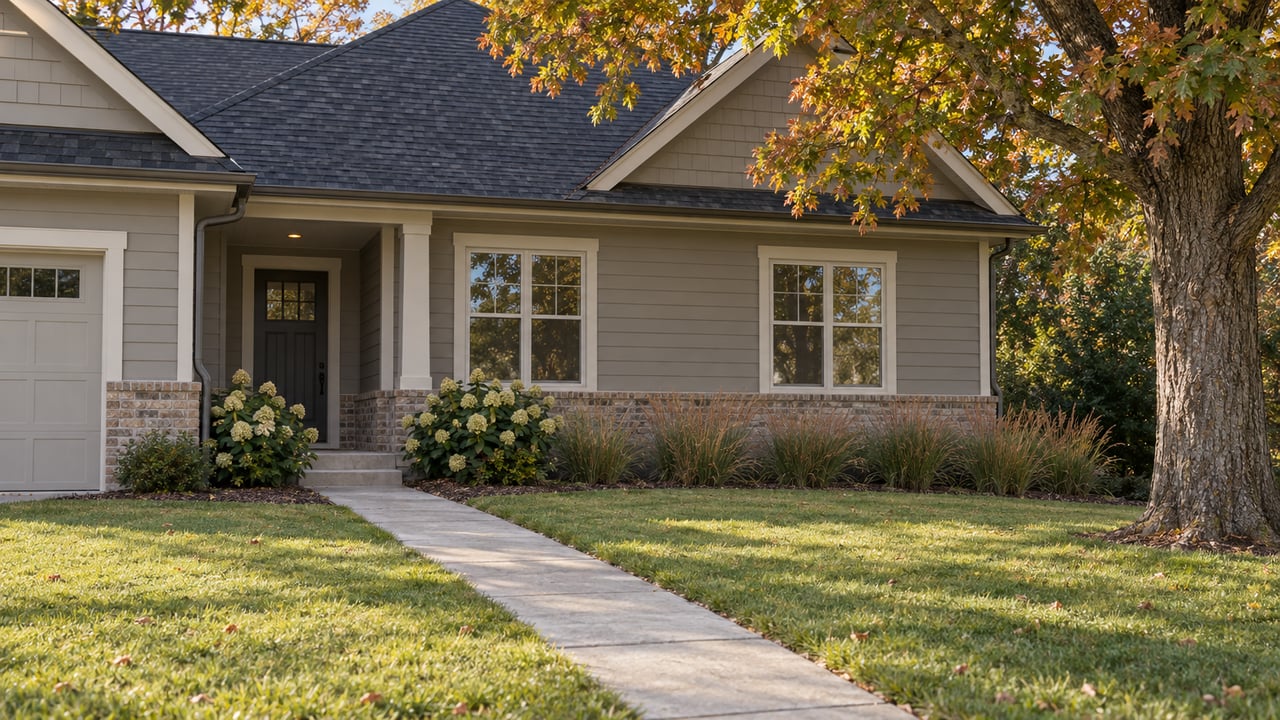
Single-family homes are the most common, with many neighborhoods built between the 1970s and 1990s. You’ll see mid-century ranches and split-levels, larger two-story homes, and higher-end lakefront properties.
There are also townhomes, condos, and apartments, often near commercial areas and transit corridors. Compared with inner-ring suburbs, many homes sit on larger lots with mature trees and more yard privacy.
What to expect as a buyer
If you’re shopping in older neighborhoods, factor in potential updates to kitchens, windows, and mechanical systems. Newer subdivisions and infill areas may offer contemporary layouts and systems.
Walkability varies. Some pockets sit near shopping and services, but much of Plymouth is designed for car travel. If you want transit access, focus on locations near major routes.
Tips for sellers
Targeted updates go a long way. Address functional items buyers expect and refresh high-impact spaces like kitchens. Highlight lot size, outdoor living, and proximity to parks or lakes.
A clear pricing strategy and polished presentation help you stand out in a market with diverse home ages and styles. Professional staging and strong digital marketing can expand your buyer pool.
Everyday amenities and community life
Shopping and services
Retail corridors across Plymouth offer grocery stores, pharmacies, banks, restaurants, and daily services. You’ll also find convenient access to larger regional retail in nearby suburbs.
Health clinics and routine care are accessible locally, with specialty services and hospitals available across the metro. Daily errands are simple, thanks to well-placed commercial centers.
Civic amenities and events
Community recreation facilities support classes, sports leagues, and indoor activities throughout the year. Libraries and municipal services are part of the civic fabric.
Seasonal events, farmers markets, and community gatherings help neighbors connect. These touchpoints add to the feeling that you can plug in and get involved at your own pace.
Is Plymouth a good fit for you?
Choose Plymouth if you want suburban space, lakes and trails, and reliable access to Minneapolis job centers. Weather is a factor in daily life, especially in winter, but it also brings four-season recreation.
Property taxes and utilities vary by neighborhood and parcel, so review a home’s current statements during your search. Plymouth’s mix of amenities and location tends to keep it in demand among families and professionals.
If you’re exploring a move in or out of Plymouth, we’re here to help you plan with care and confidence. Connect with Paulette Carroll for a neighborhood consultation or a free home valuation today.
FAQs
How long is the commute from Plymouth to downtown Minneapolis?
- Without heavy traffic, many residents report 15 to 30 minutes, with peak hours and weather adding time.
What major roads serve Plymouth commuters?
- U.S. Highway 169 is the primary north–south route, and Interstate 494 provides key east–west access.
Are there public transit options in Plymouth?
- Yes, express and commuter buses connect to downtown Minneapolis, though service is less frequent than inner-city routes.
What types of homes are common in Plymouth, MN?
- Mostly single-family homes, plus townhomes and condos near commercial corridors, with many neighborhoods built from the 1970s to 1990s.
What outdoor amenities can I expect in Plymouth?
- A strong park and trail network, nearby regional parks, and multiple lakes, including Medicine Lake for boating and fishing.
How walkable is Plymouth for daily errands?
- Walkability is mixed; many areas are car-oriented, though some neighborhoods sit near retail and services.